


 Back to projects page


Project Overview
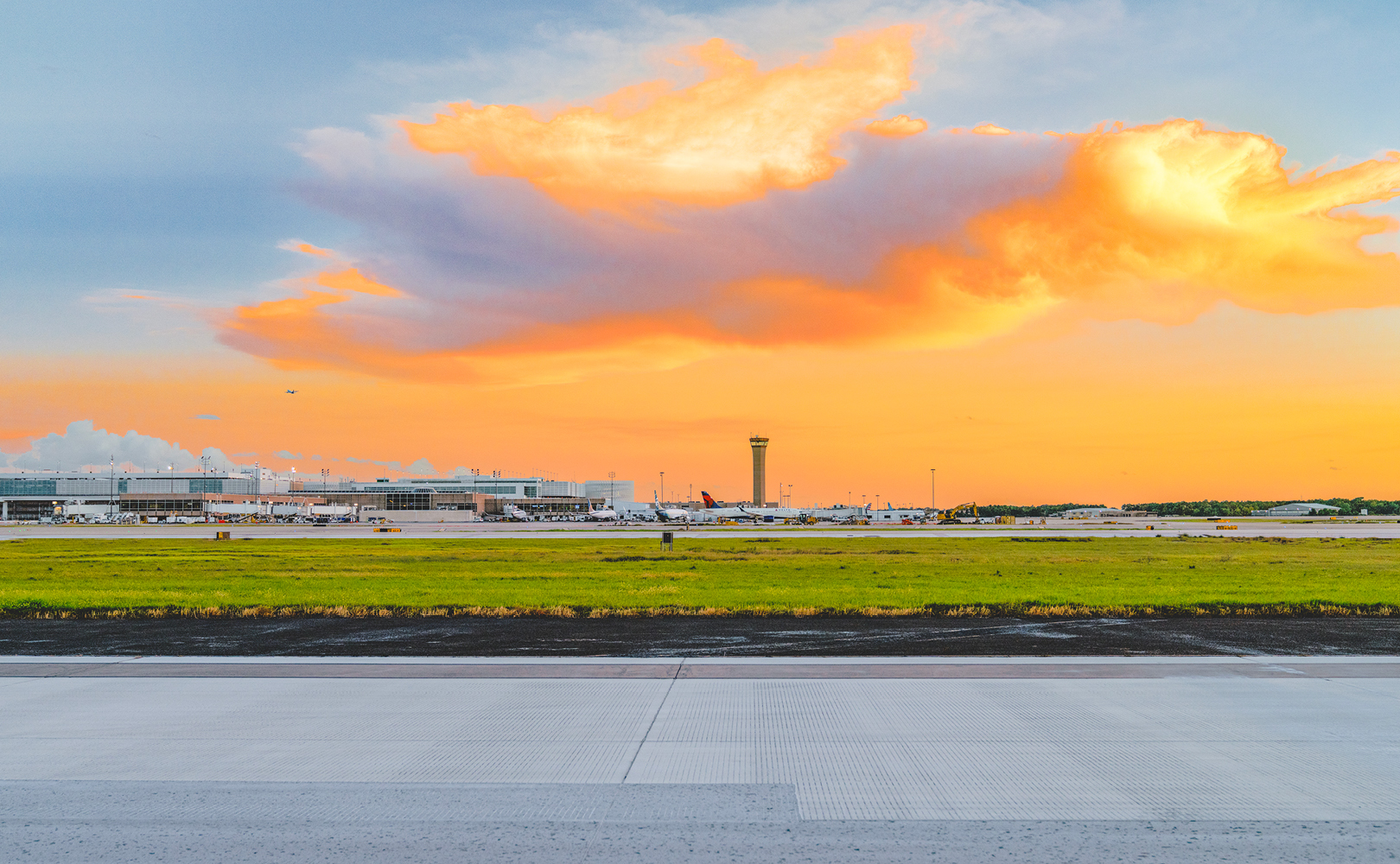
In early 2023, the Houston Airport System (HAS) completed a two-phase assessment of Runway 8R/26L at George Bush Intercontinental Airport (IAH) to address declining friction and drainage. The goal was clear: restore safe, reliable runway conditions while minimizing disruption to one of the nation’s busiest airports.
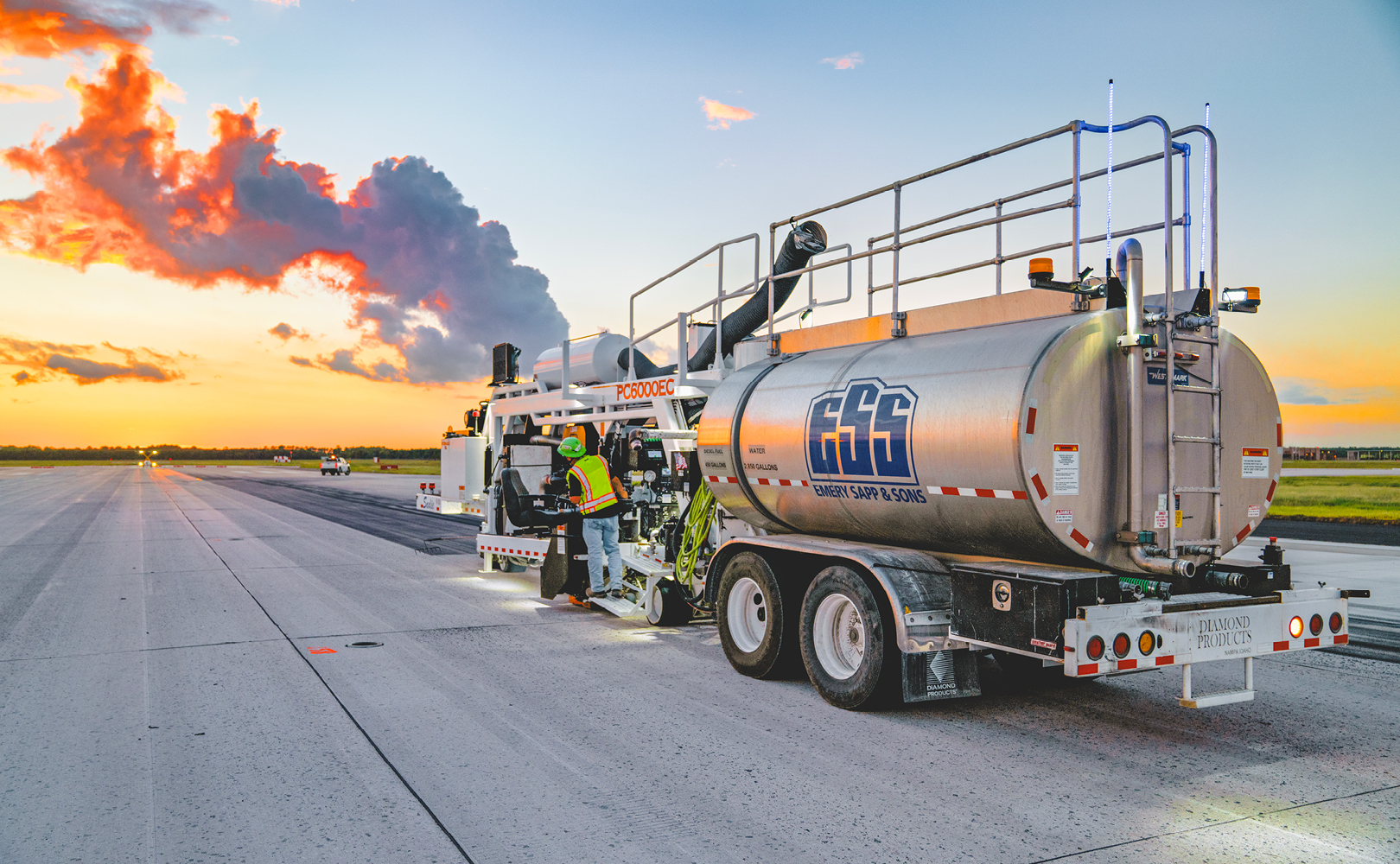
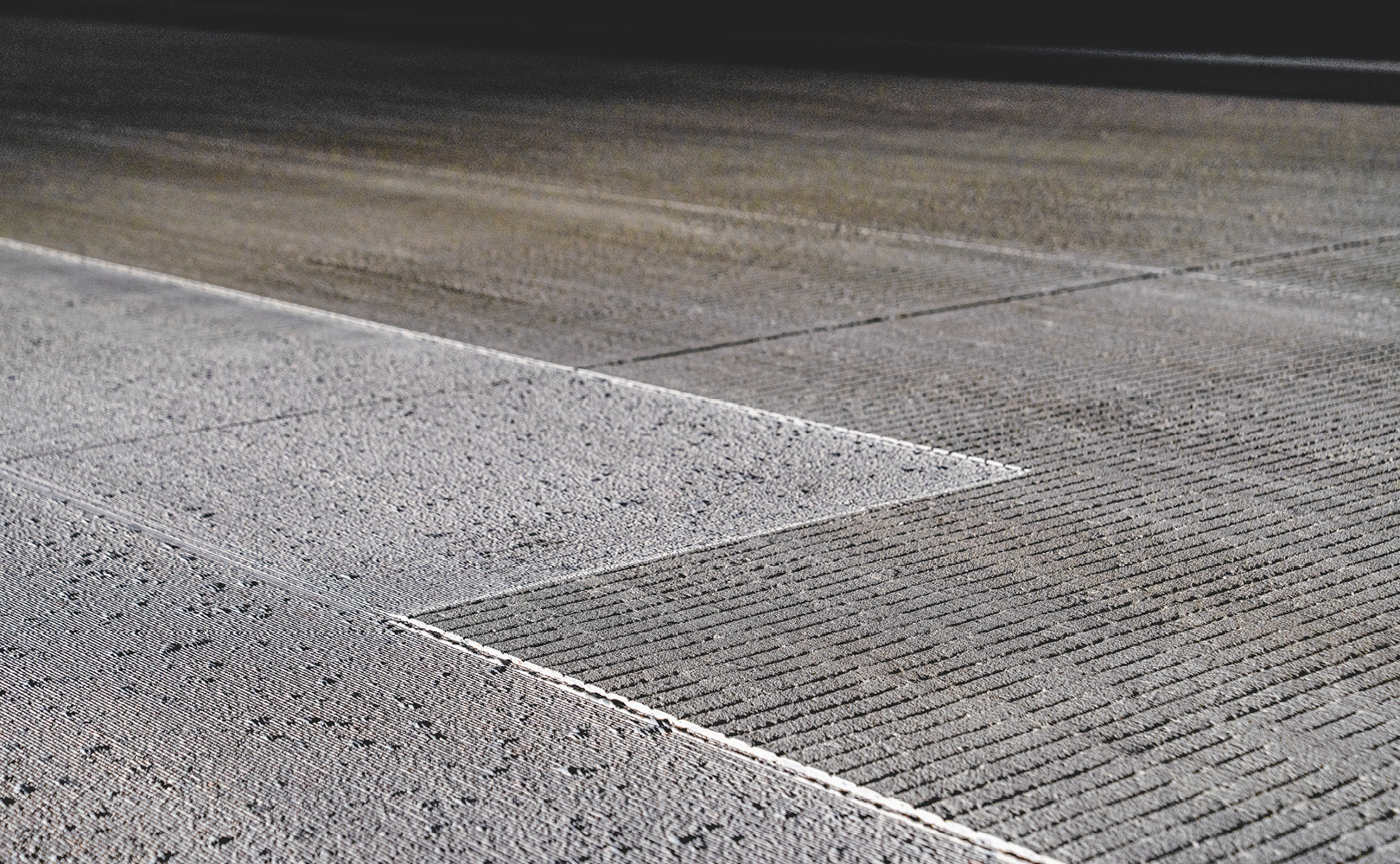
Based on the findings, full-width diamond grinding and grooving was selected as the most effective solution to reestablish critical friction and drainage for safe landings and consistent operations. This marked the first airport to use diamond grinding and grooving across the full width and length of an active runway. ESS delivered the work with a focus on safety, speed, and maintaining continuous airport operations. The result extends the runway’s service life by approximately 10 years, delivering a cost-effective alternative to full reconstruction without taking the runway out of service for an extended amount of time.
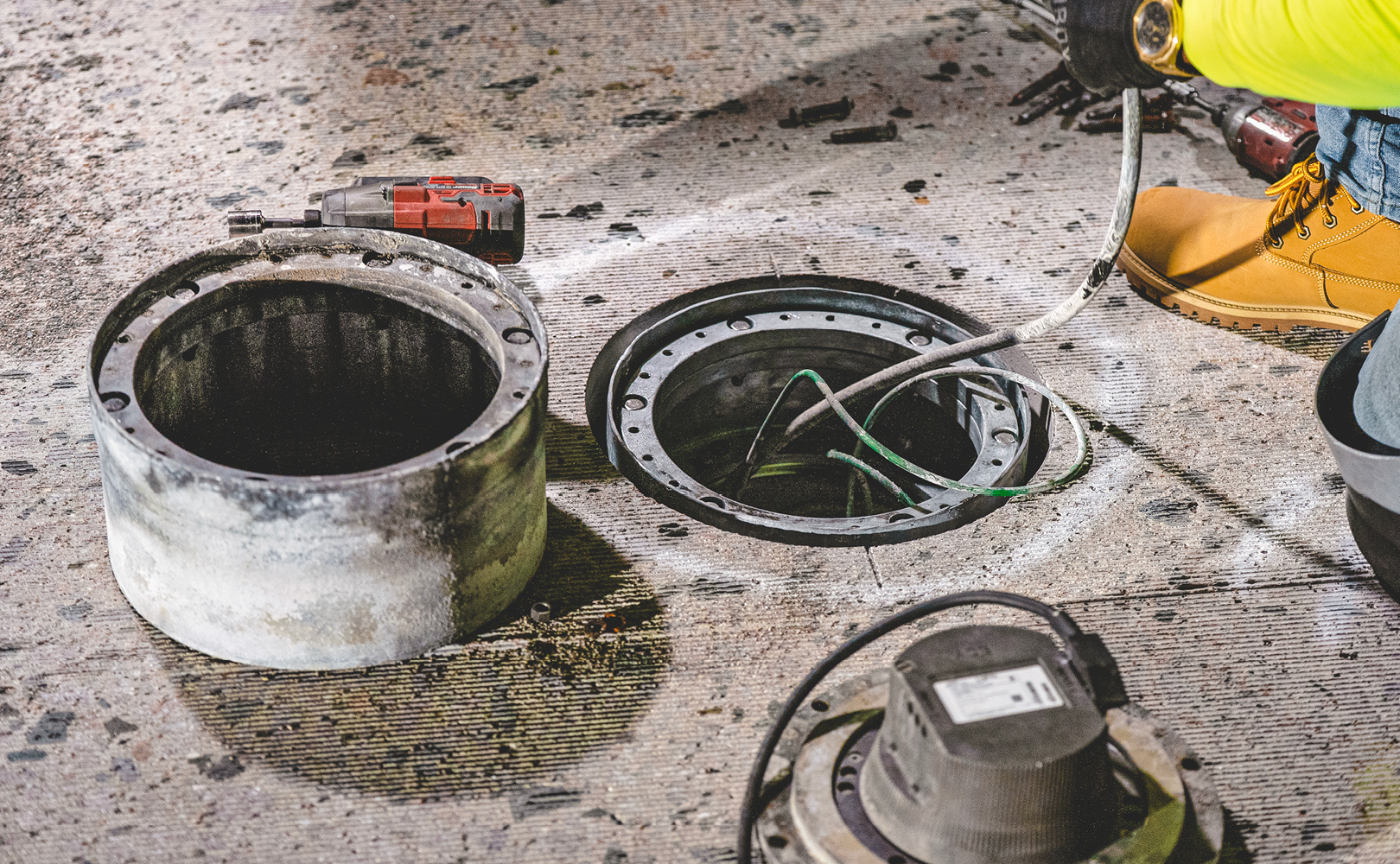
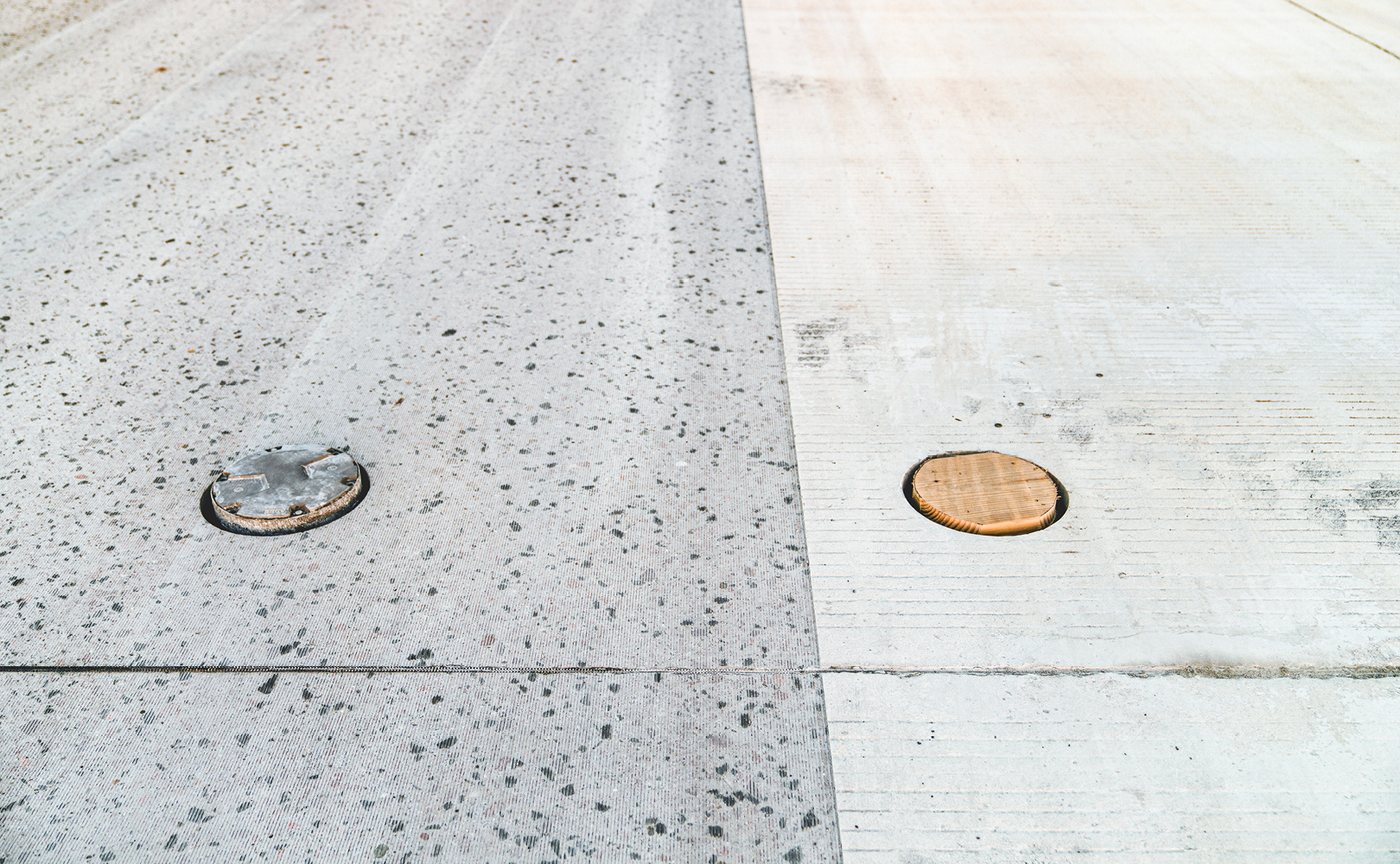
The project scope included full-width diamond grinding and grooving across nearly 140,000 SY, along with 118,000 LF of joint resealing and targeted pavement repairs. Prior to grinding, ESS removed and later reset 625 in-pavement light cans to precise final elevations, ensuring FAA compliance and maintaining runway functionality.
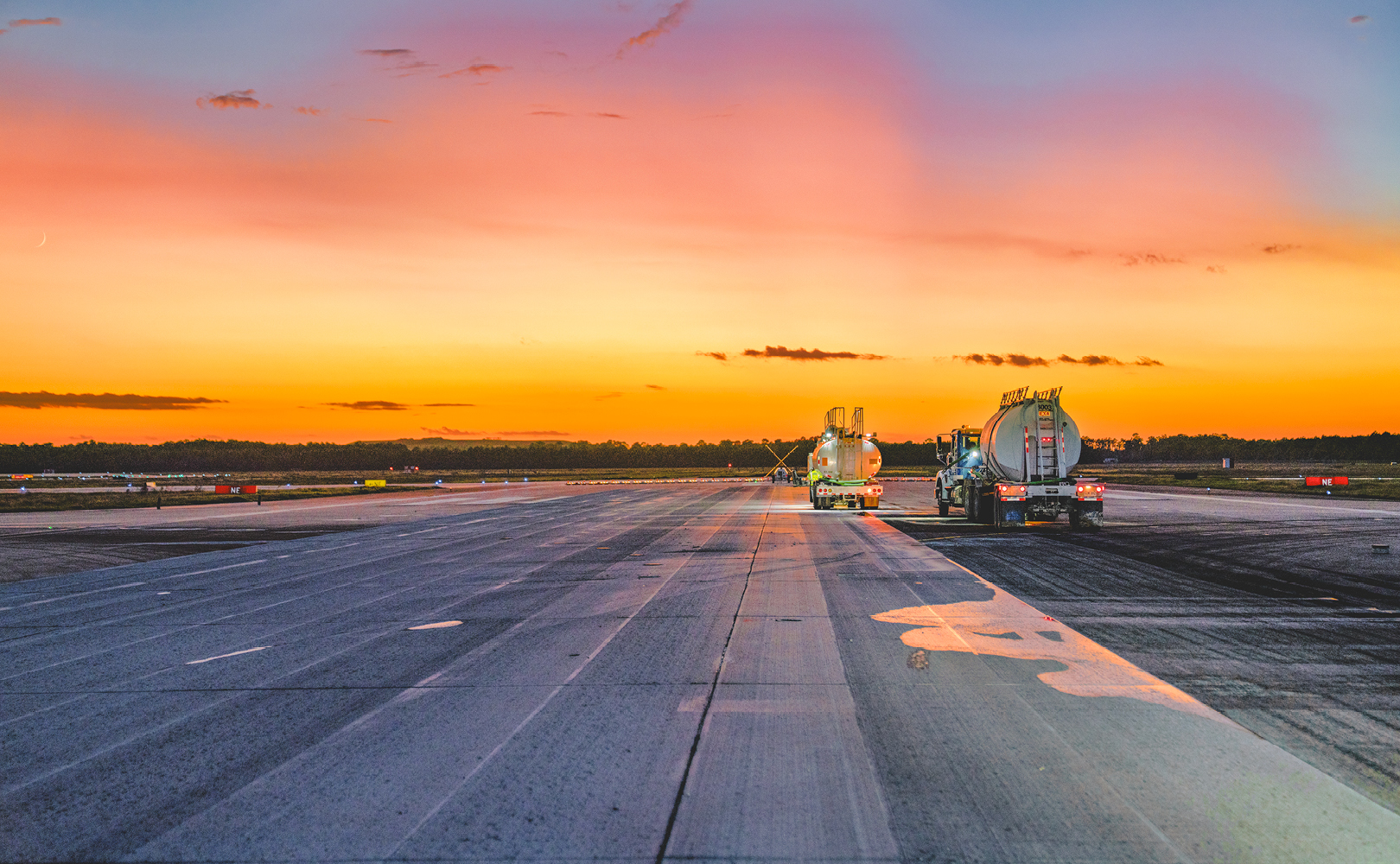
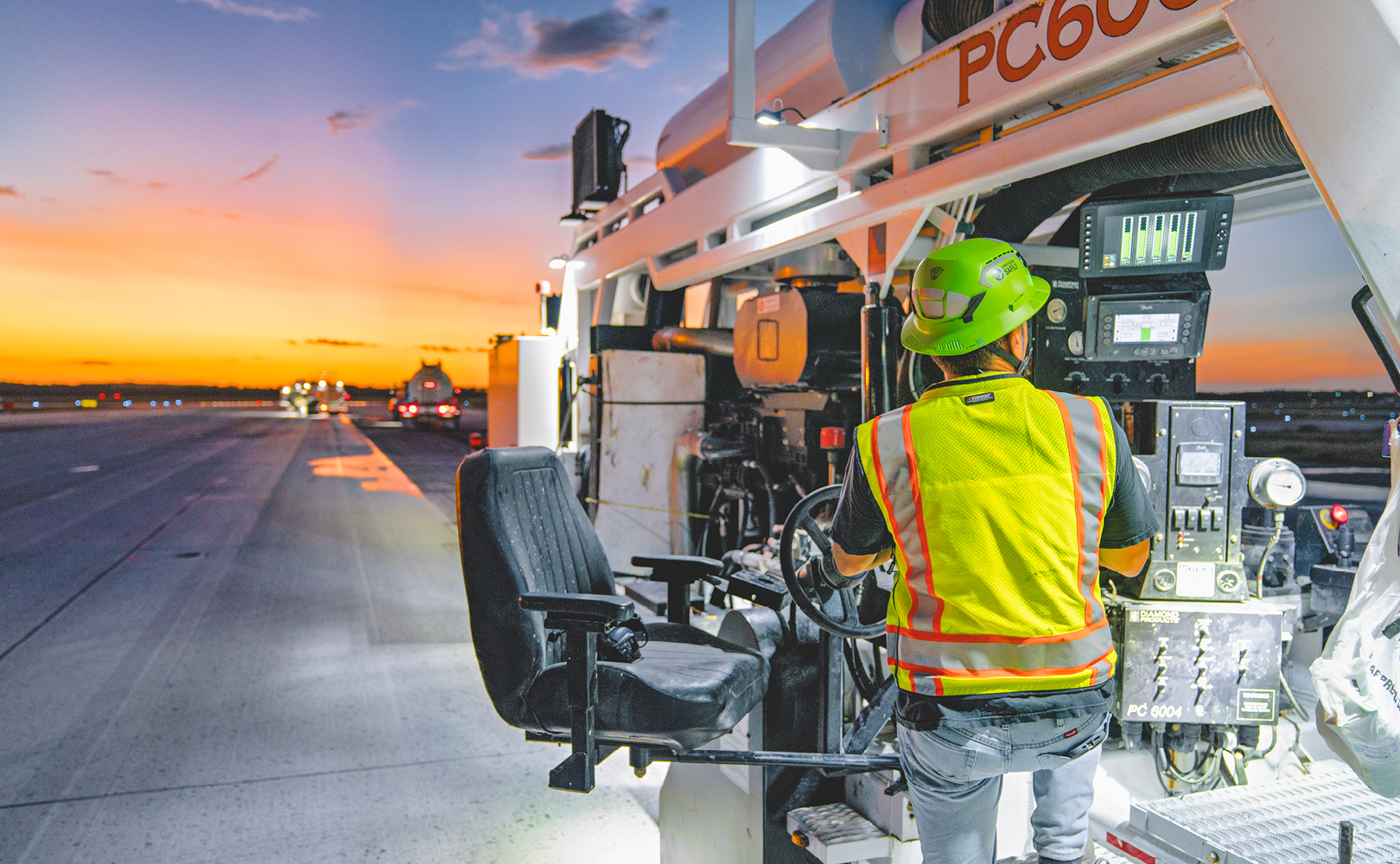
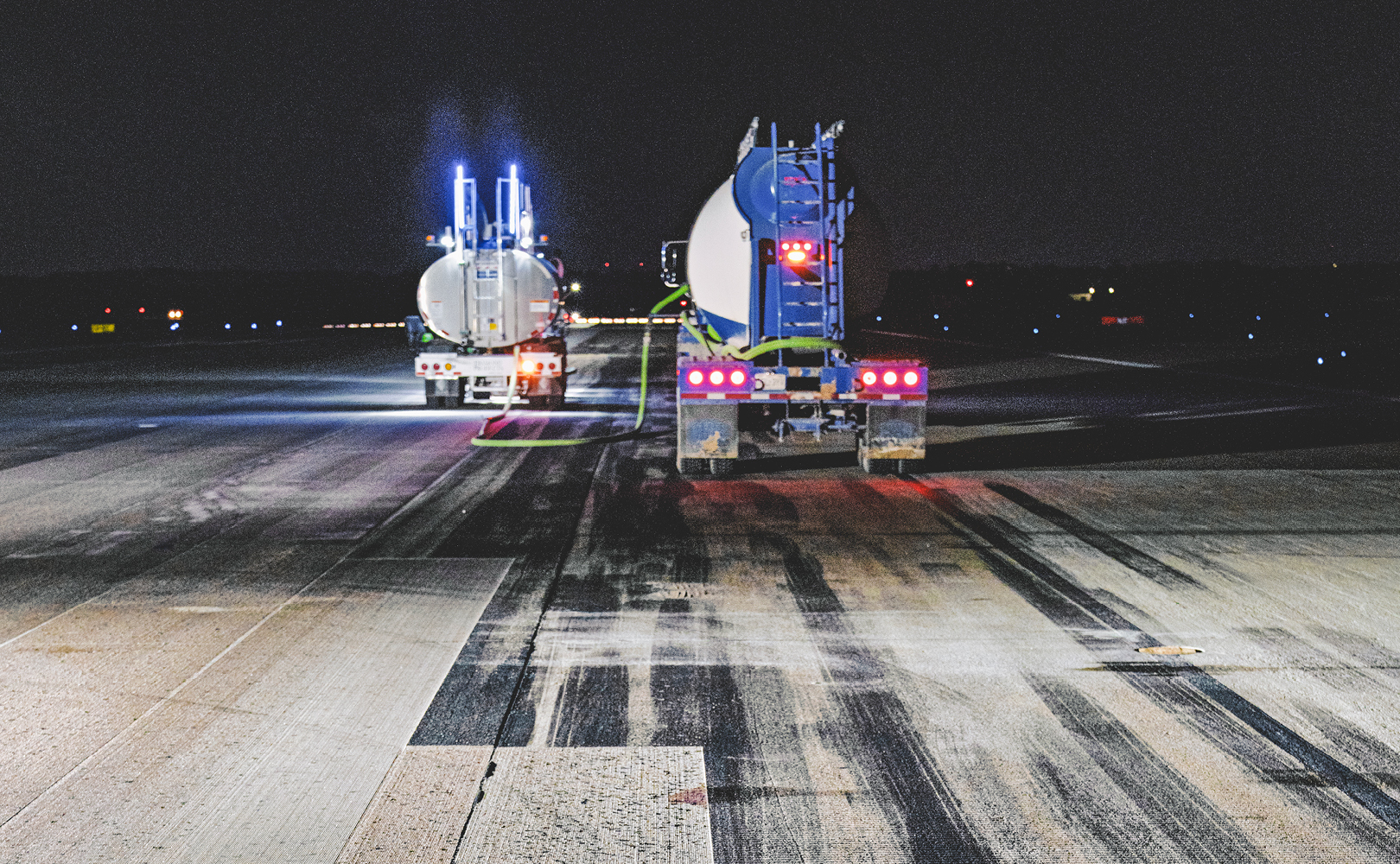
With downtime not being an option at IAH, ESS structured the work to maintain continuous airport operations by performing the most critical activities overnight and coordinating closely with airport operations. The runway was divided into north and south sections, allowing crews to work in a rolling sequence and reopen portions quickly. Operating 24 hours a day, this phasing kept adjacent taxiways and runways fully active, ensuring no disruption to air traffic, emergency response access, or airline schedules.
Working without reliable as-built elevations created a significant challenge when resetting the light cans within a tight 1/8-inch tolerance. ESS overcame this by fabricating and installing custom spacers, allowing precise adjustments that met FAA standards.
A related challenge resulted from the open voids left across the runway during this process. Grinding over these openings posed a significant risk, as heavy equipment could drop into the holes, creating surface irregularities and potential pavement damage. To mitigate this issue, ESS custom engineered wood blocks precisely sized for each opening. These blocks provided stable, load-bearing support capable of handling the 80,000‑pound equipment, allowing grinding operations to proceed safely, efficiently, and without interruption.
As on any project, safety was paramount especially in an active airfield environment. ESS implemented strict Foreign Object Debris (FOD) controls, securing all materials against jet blast from nearby aircraft. Crews operated under escorted access protocols across active taxiways and maintained constant coordination with airport operations and fire rescue teams. These measures ensured zero impact to surrounding operations while protecting both personnel and aircraft.
By restoring friction and improving drainage, ESS significantly reduced hydroplaning risk and brought the runway back into full FAA compliance. More importantly, the rehabilitation approach deferred the need for full reconstruction, delivering a cost-effective solution that maximizes the airport’s existing infrastructure.
This project highlights ESS’s ability to execute complex airfield work under tight constraints where safety, precision, and operational continuity aren’t just priorities, they’re requirements.
Last Updated on September 2, 2026