Back to News


ESS Completes Steel Erection on Railroad Shoofly Bridge for I-70 W2W Project
250 tons of steel. Eight spans total. A series of 15-minute traffic stops. On a tight, railroad-restricted site, ESS crews hit a major milestone on the Improve I-70: Warrenton to Wentzville project.
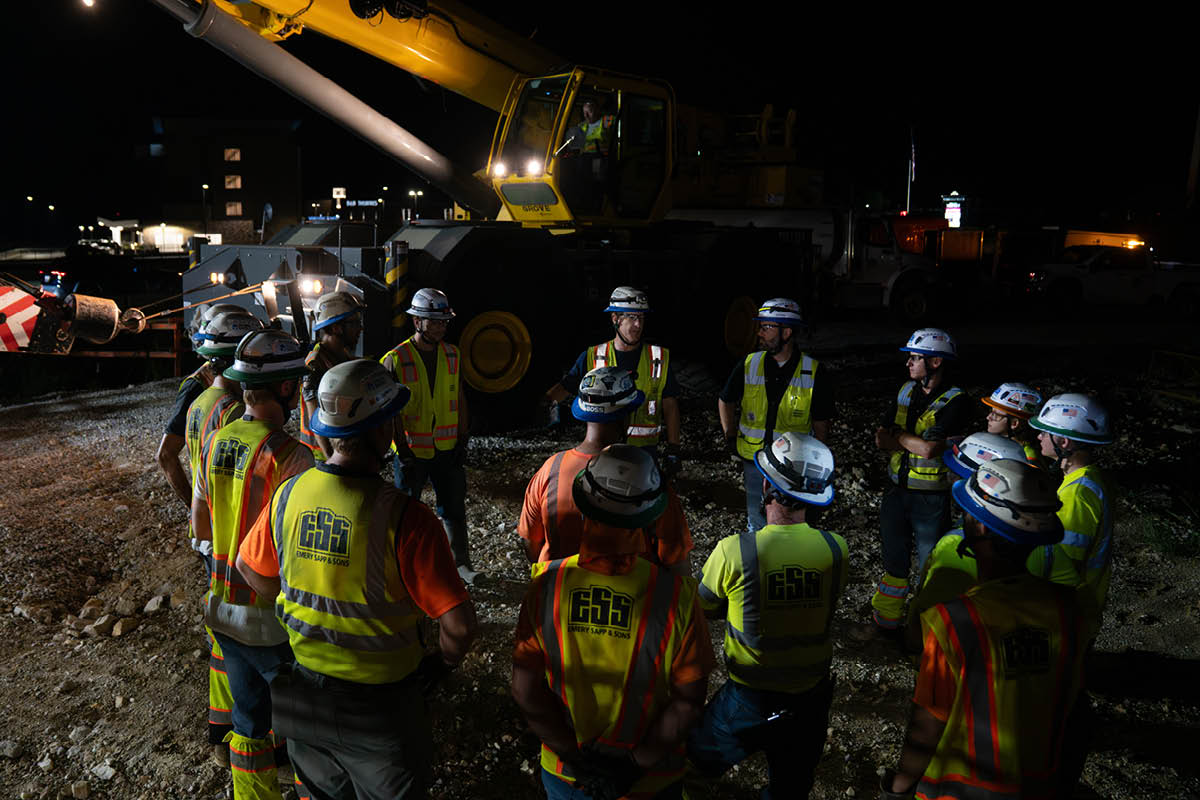
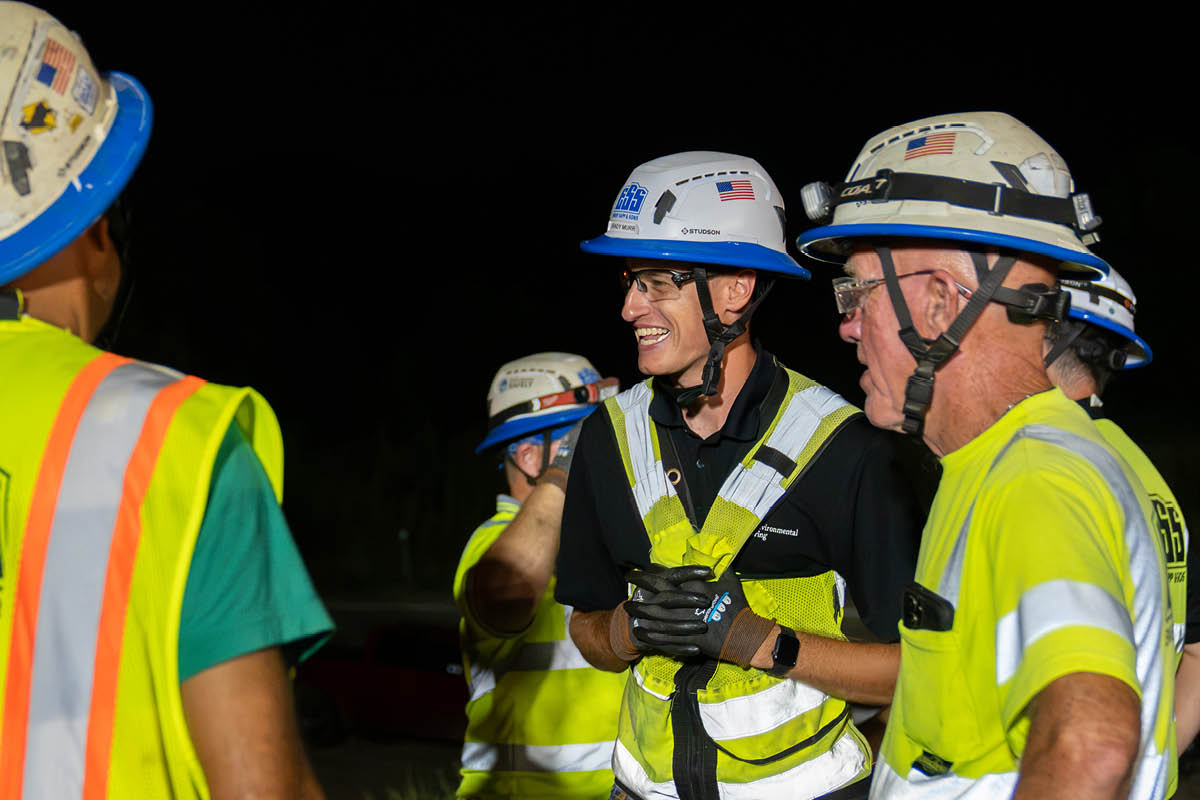
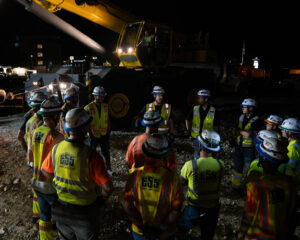
After dark, ESS crews erected four spans during, utilizing 15-minute rolling roadblocks to minimize disruptions to traffic on I-70. During the day, the sixth span consisted of two assembled 125,000-pound girder sections which were erected using ESS’ new Link-Belt 2500 crane.
Four days later, nearly 250 tons of steel were in place, marking the completion of steel erection on the railroad shoofly bridge. The new roadway, once complete, will accommodate six highway lanes and two outer roads, helping day to day travel on one of the state’s busiest roadways.
Built to be torn down
The milestone is a step forward on the Improve I-70: Warrenton to Wentzville project, but the bridge itself is temporary.
“The purpose of the shoofly bridge is so Norfolk Southern can continue hauling freight as we construct the permanent bridge,” said ESS Project Manager, Christian Asel.
The temporary bridge is only half of the story. Today, four lanes of highway pass beneath the existing railroad bridge. When construction is complete, ten lanes will run beneath the new structure, including eight lanes of highway and two outer roads. These upgrades will support the future demands of this stretch of I-70. Shoutout to the traffic control team for their support with the lane drops and rolling roadblocks.
The crews behind the build
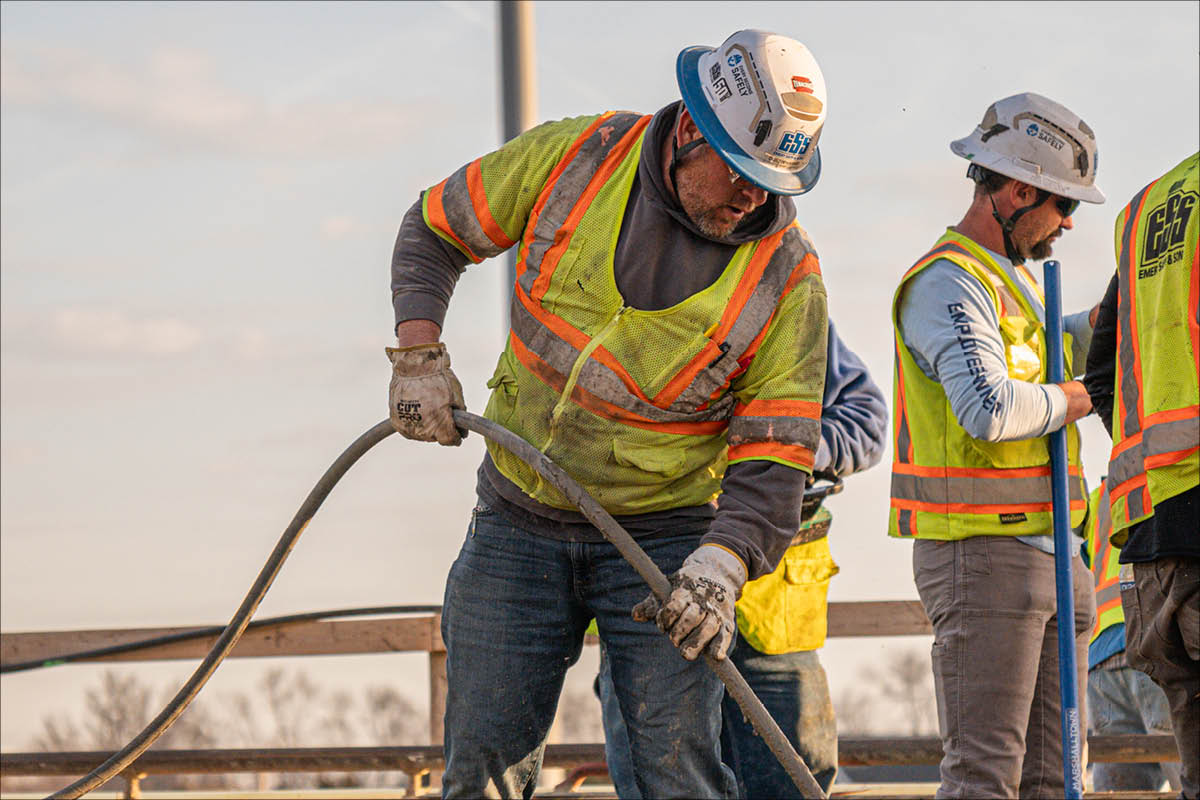
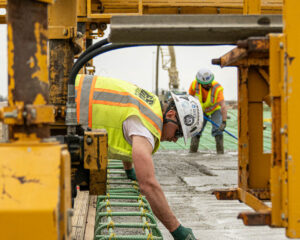
Precast caps had to be welded to the top of a 14-inch H-pile, which meant welders lay on their backs, working overhead, for weeks. Nearly 600 pounds of welding rod went into the bridge, nearly all of it laid by ESS Laborers Bryson Collier and Zachary Shrag.
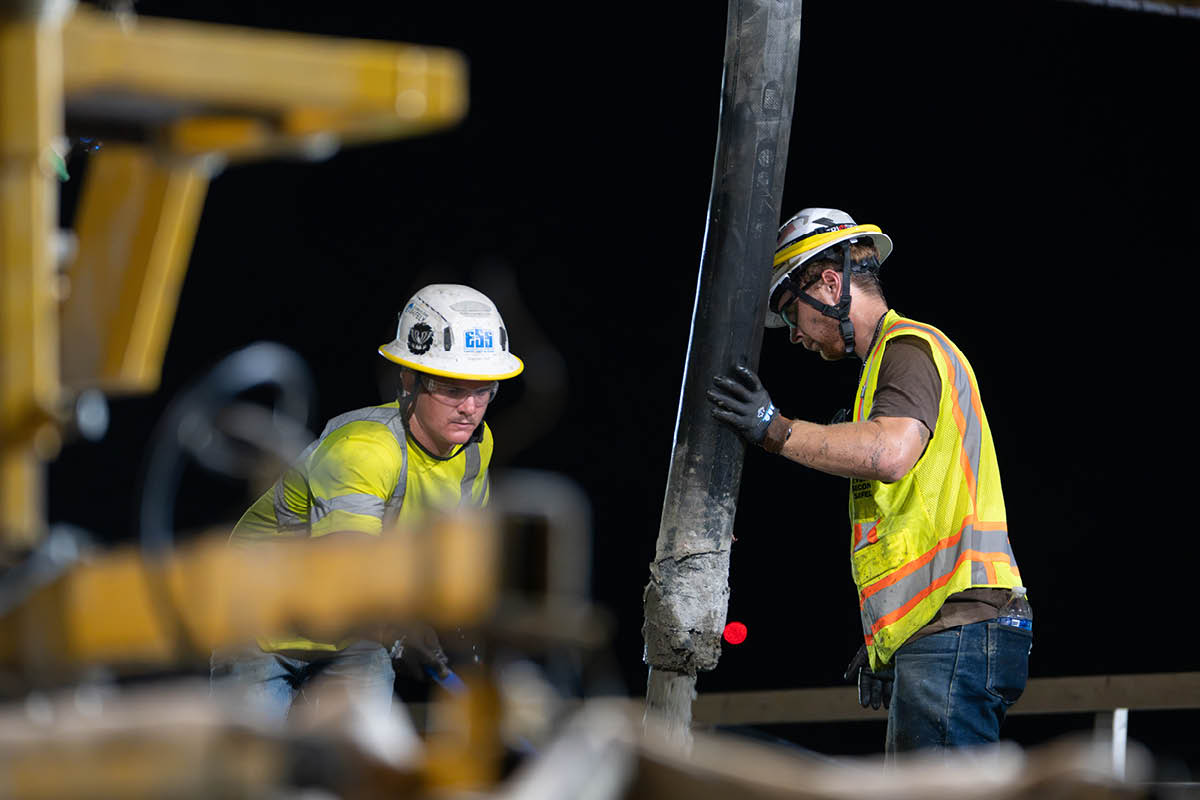
Getting to that point took the whole team. “Before we could weld the caps, the piling had to meet tight specs, and carpenters and laborers Devin Harre, Garrett Housman, and Grayden Holt put in a lot of hours grinding it down,” said Dustin Harre, ESS Superintendent. “Our crane operators, Chris Black and Chris Nelson, along with interns Connor Harre and Braedyn Wester, were a big help while the shoring walls were being driven.” Michael Shepherd also stepped up as foreman on the project.
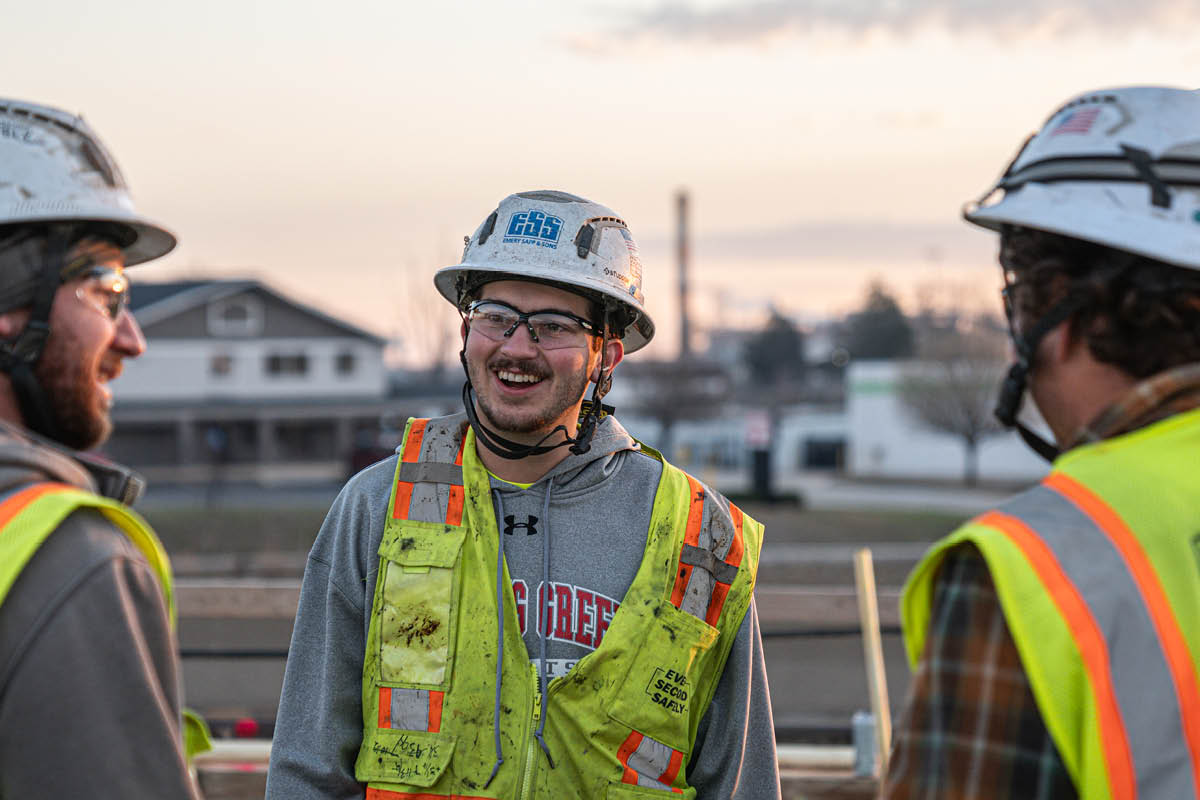
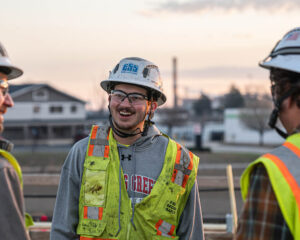
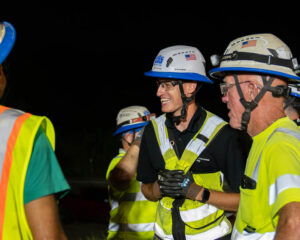
It’s a crew that’s been through it before, with many members together for 18 to 25 years. “We’re a family out here. We see each other more than we do our own family,” Dustin said. That bond carries onto the jobsite, where pride in the work runs deep. “All these guys are looking to do the best work they can do. A lot of that comes from the employee ownership mindset. They take pride in their work.”
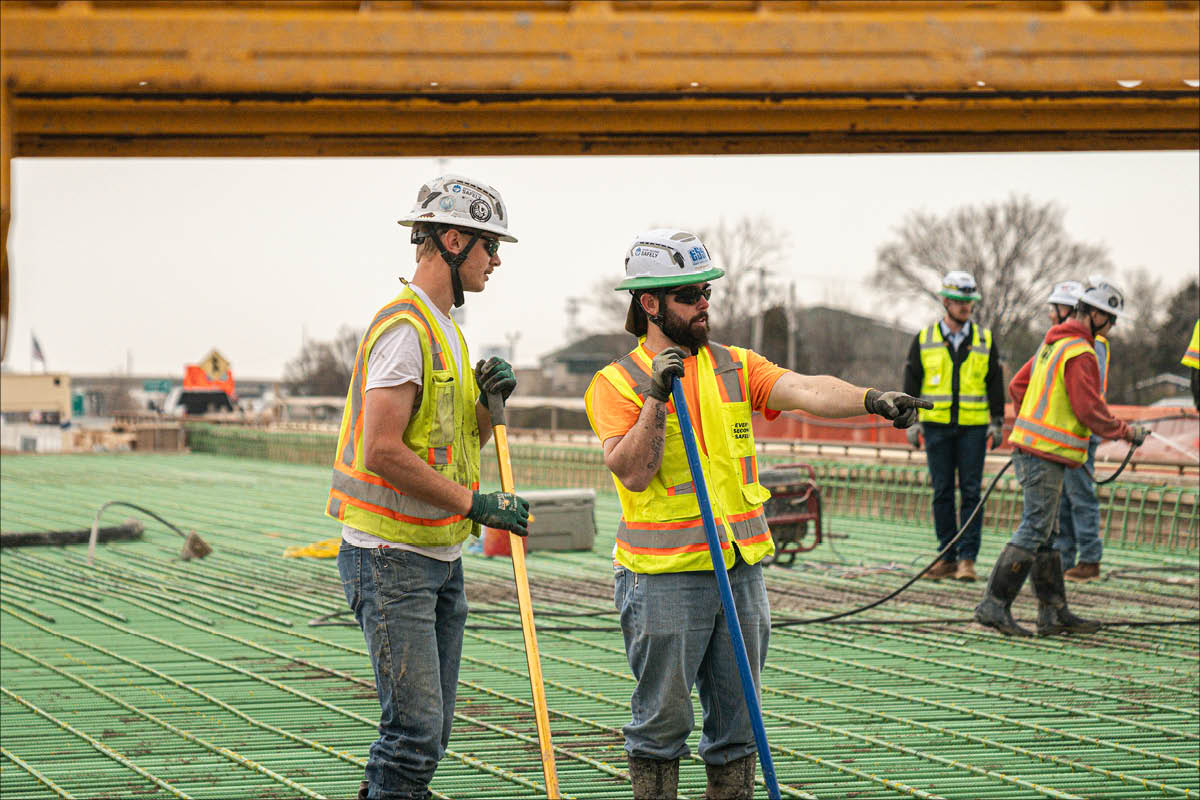
That teamwork extended well beyond the bridge itself. ESS Superintendent Larry Cannon and his crew helped support the shoofly bridge embankment, completing critical excavation and backfill operations within strict railroad closure windows.
“They removed unsuitable material, placed the replacement material in the required lifts, and met strict compaction requirements, all with unknown subsurface conditions,” said ESS Project Manager Christian Asel “Every closure finished without delaying Norfolk Southern train traffic. That kind of result takes planning and coordination across every ESS crew on this job, and everyone pulled together keeping the project on schedule.”
Precision under pressure
“Railroad work is tough. It starts with the submittals, and the specs and tolerances are just super tight. But we met all those challenges and came out on top,” said Asel.
Four days of steel erection. Countless hours of planning and coordination. For the ESS crews working on Improve I-70, the milestone is proof of what experience, teamwork, and ownership can deliver under pressure.