


 Back to projects page


Project Overview
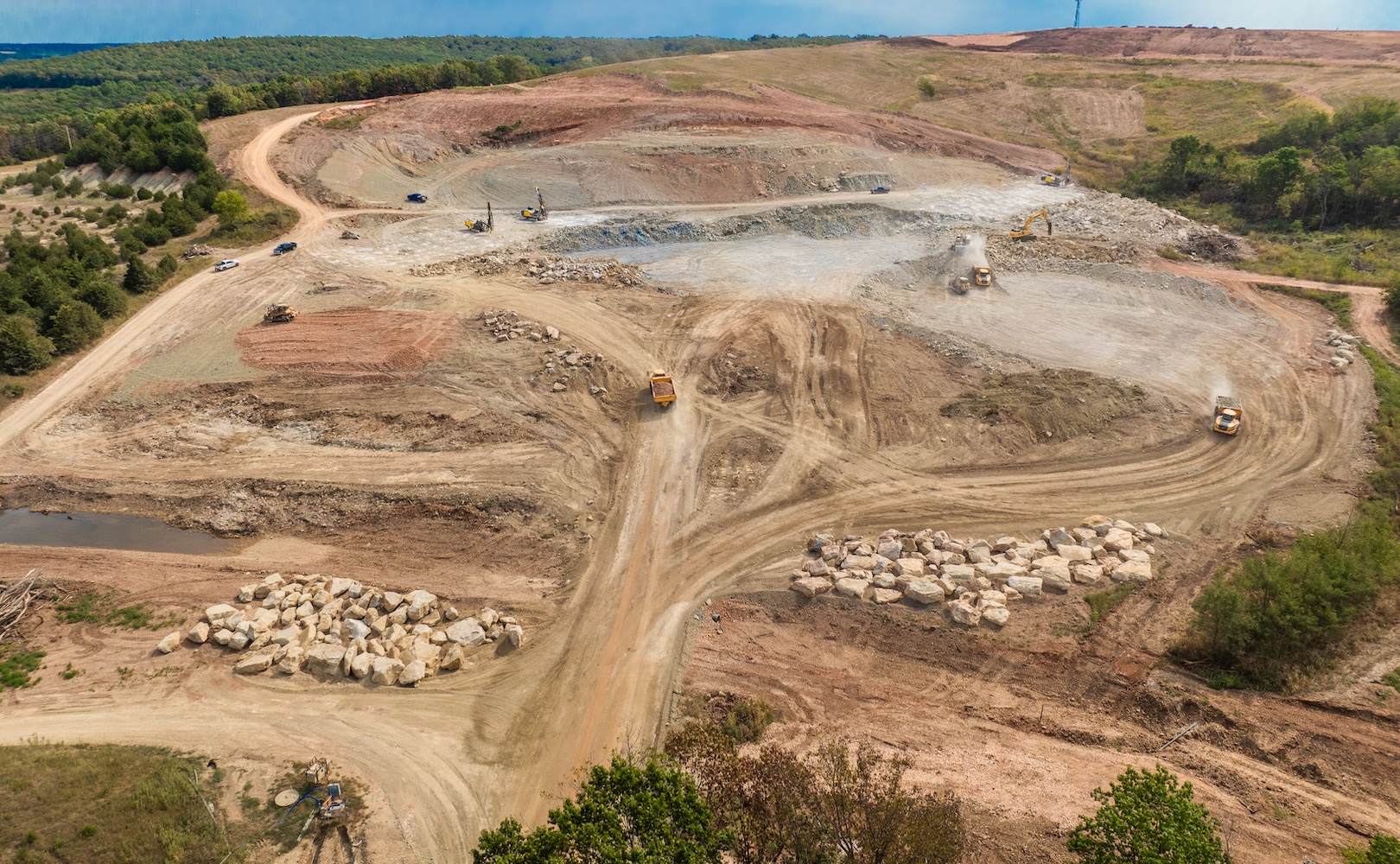
The Noble Hill Sanitary Landfill in Springfield, Missouri intakes an average of 1,200 tons of trash each day. In a proactive effort to increase its capacity, the City of Springfield selected Emery Sapp & Sons (ESS) to lead the comprehensive expansion of cells 3, 4 and 5. Combining large-scale earthwork and complex underground utility installations, ESS will extend the lifespan of this critical facility by nearly a decade.
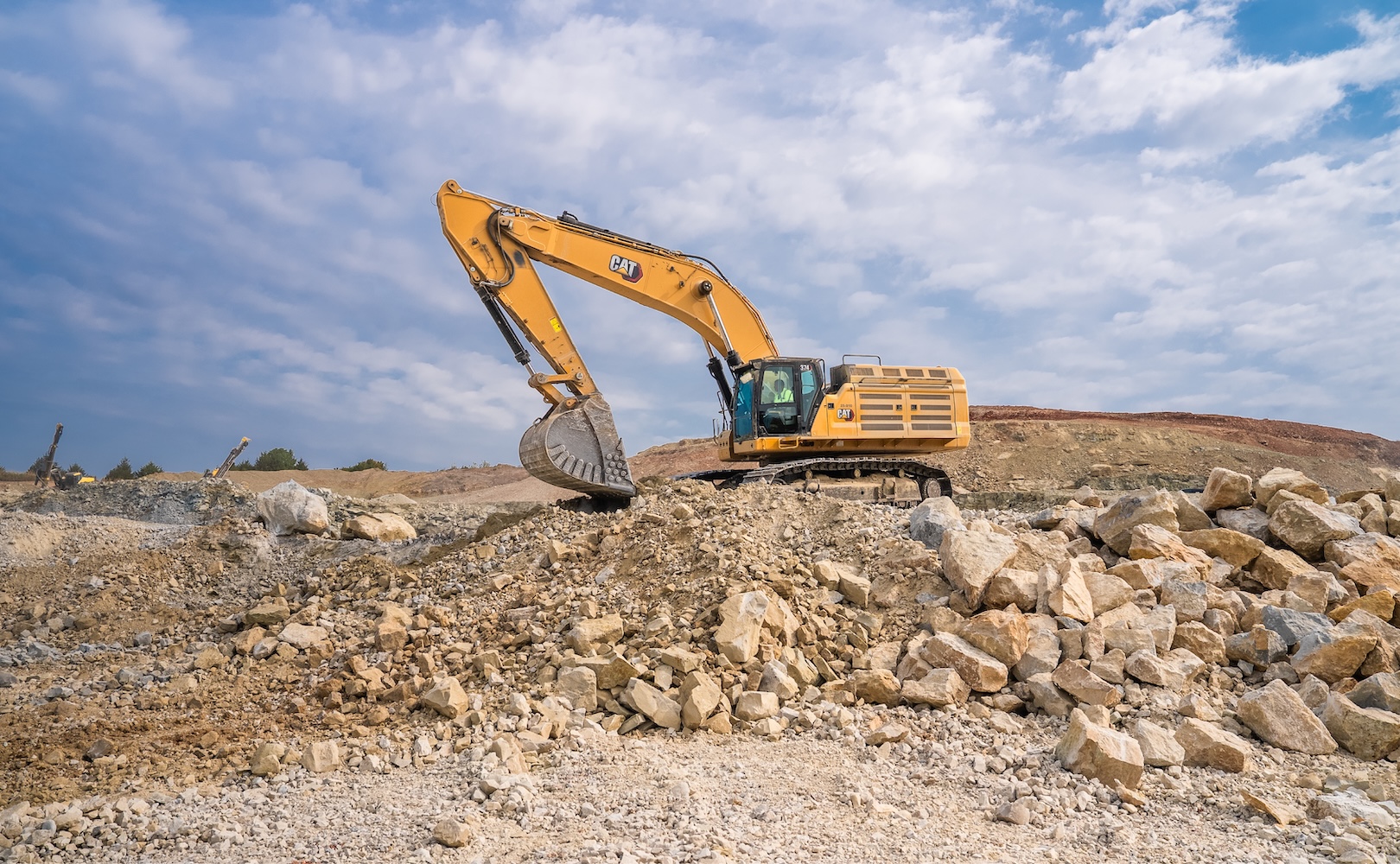
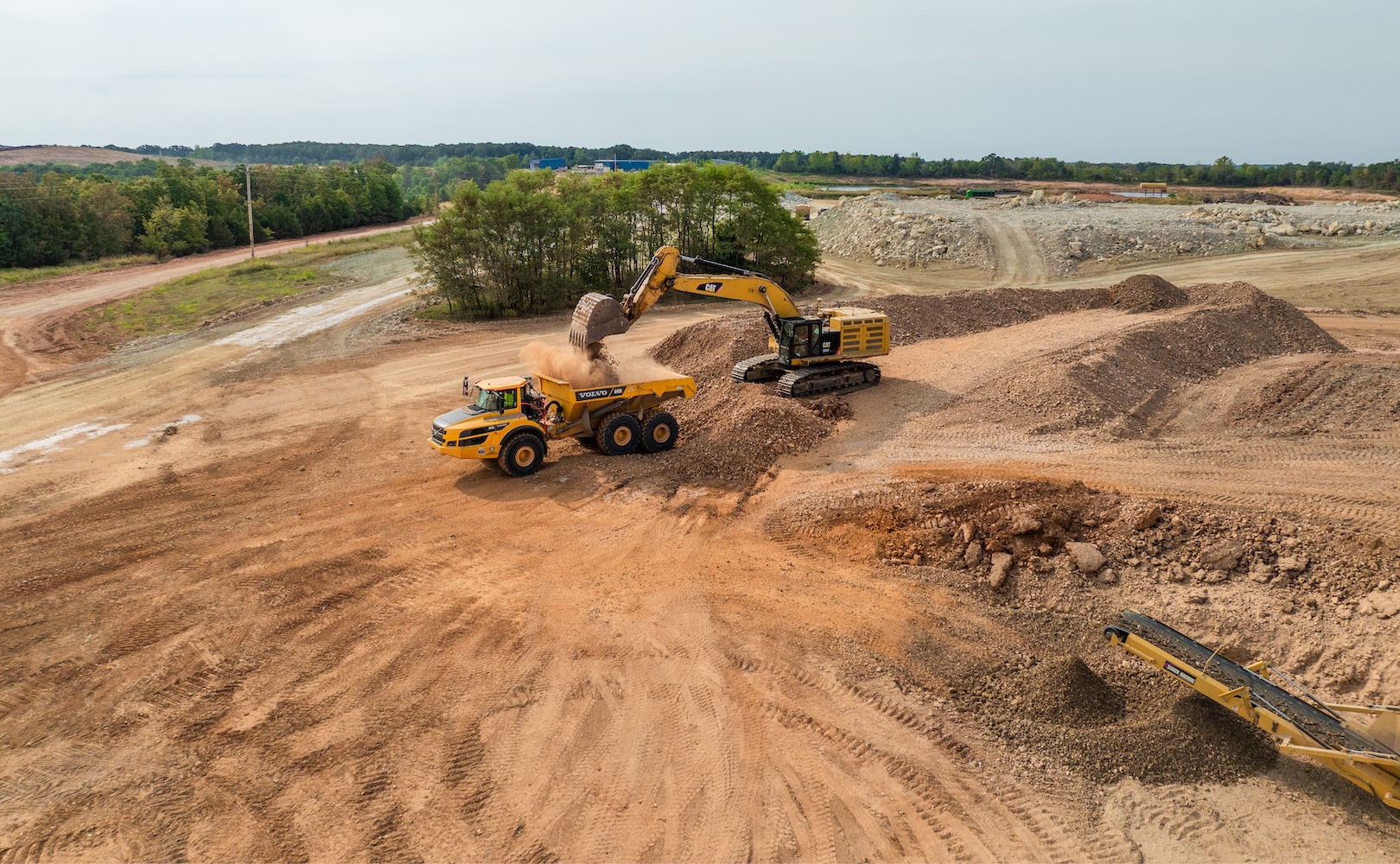
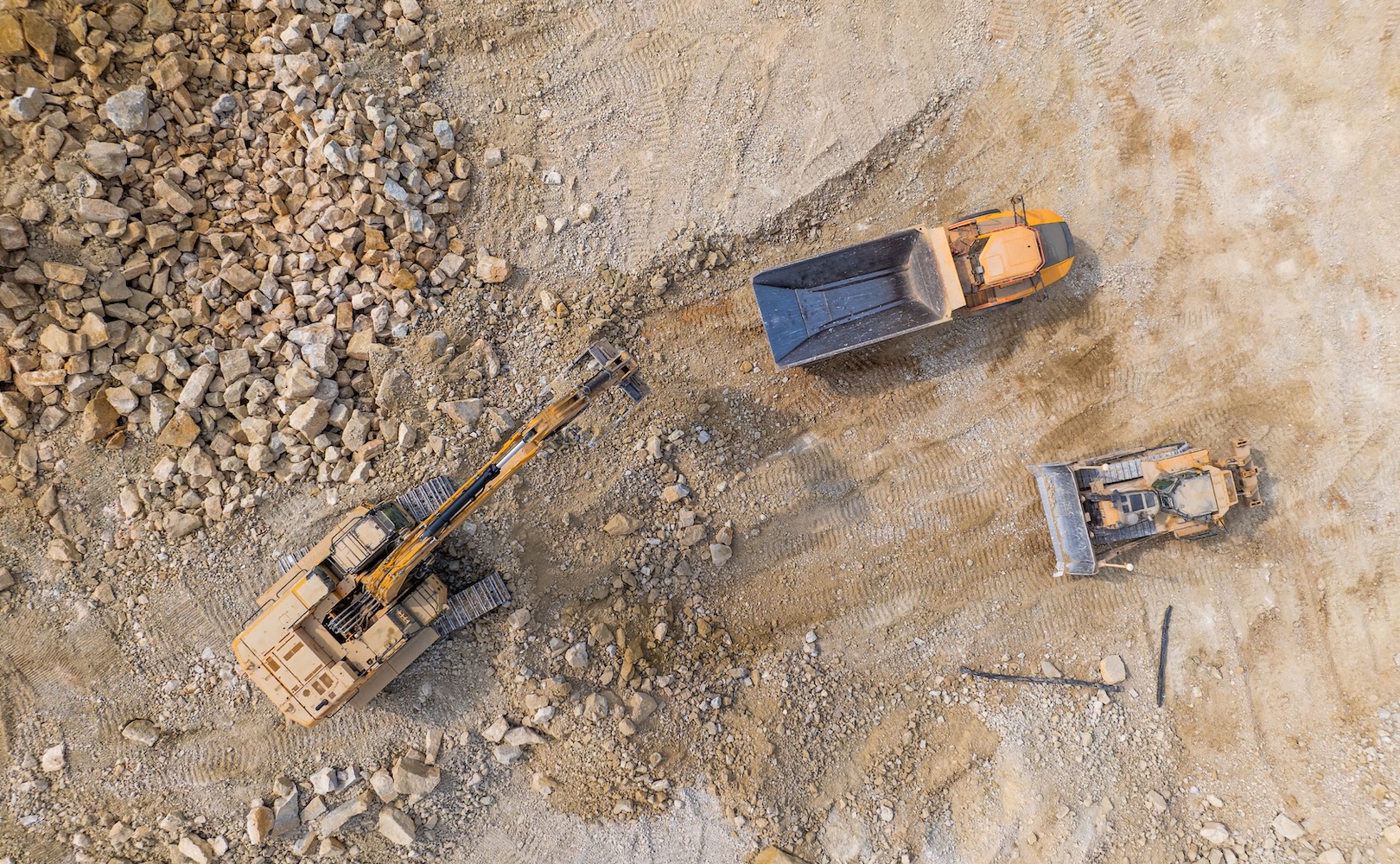
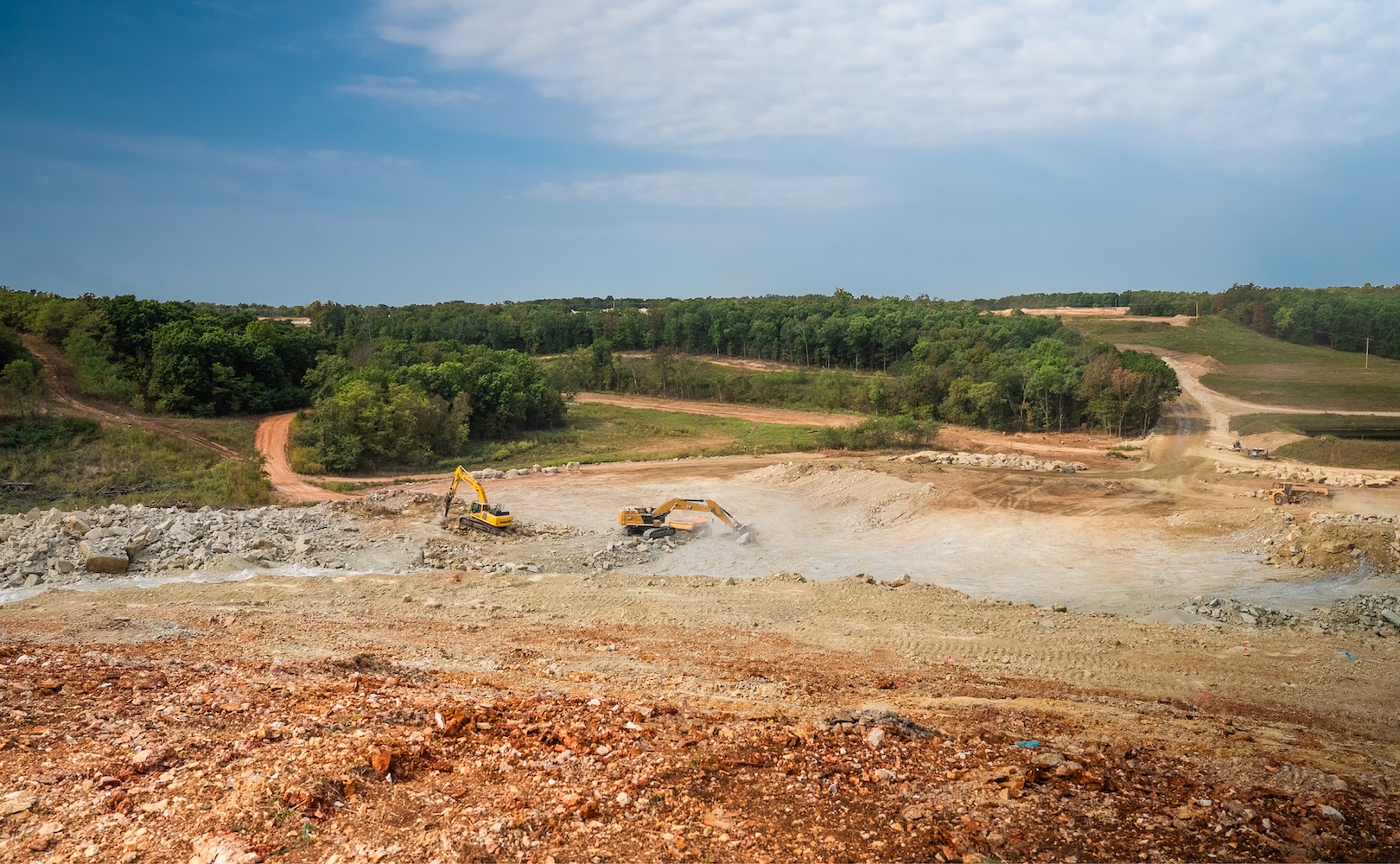
As the general contractor, ESS will complete 250,000 cubic yards of earthwork and 800,000 cubic yards of heavy rock excavation, which present unique challenges due to the site’s geologic conditions. Unlike standard excavation involving soil, this work demands specialized equipment to efficiently break and move large volumes of dense rock. Crews will also complete major stormwater and storm drainage improvements to ensure long-term environmental compliance and site stability. Underground utilities are key components of the project, with 2,000 linear feet of gas system improvements and 4,000 linear feet of new leachate sanitary lines.
Precise scheduling and coordination are a top priority as crews maneuver the 1,200-acre site. ESS will take significant safety and environmental precautions when working near existing waste areas. Air monitors will be worn by each crew member to track exposure levels, with strict protocols in place if air readings reach designated thresholds.
Handling large volumes of waste is a new challenge for the team, requiring both technical expertise and adaptive planning. As crews connect new cells to existing ones, they must carefully move and regrade 60,000 cubic yards of trash that has been buried for years. Once the slopes are laid back and the old material is exposed, adjustments will be made to achieve the correct grades and safely transition to new areas of construction.
The Noble Hill Sanitary Landfill Cells 3, 4, 5 project represents a significant effort to improve landfill capacity and environmental performance, while showcasing ESS’ ability to safely manage complex site logistics in a highly regulated environment. Crews are expected to reach substantial completion by December 2027.
Last Updated on December 9, 2025