Back to News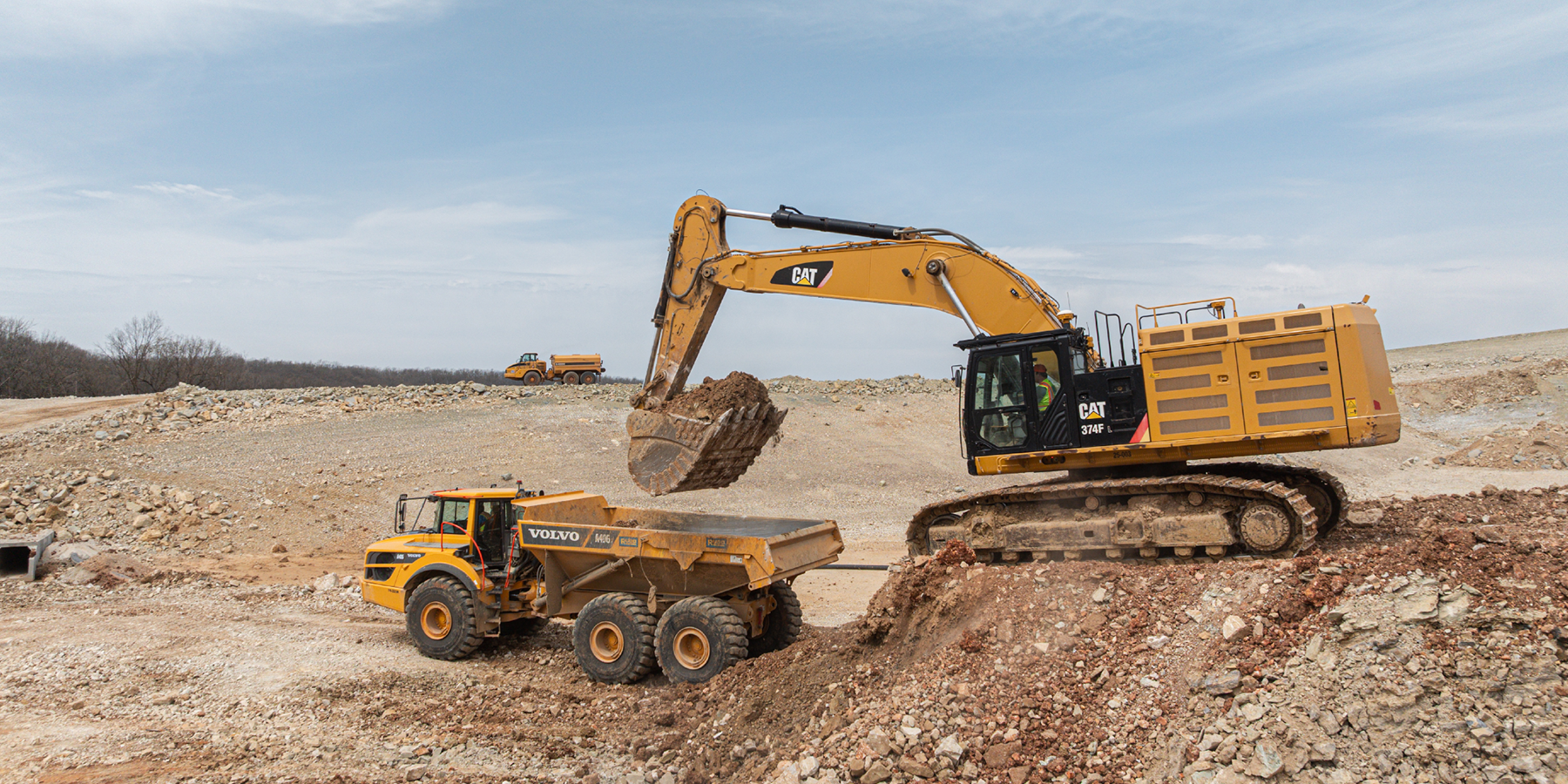


Noble Hill Landfill: Built to Take on the Unexpected
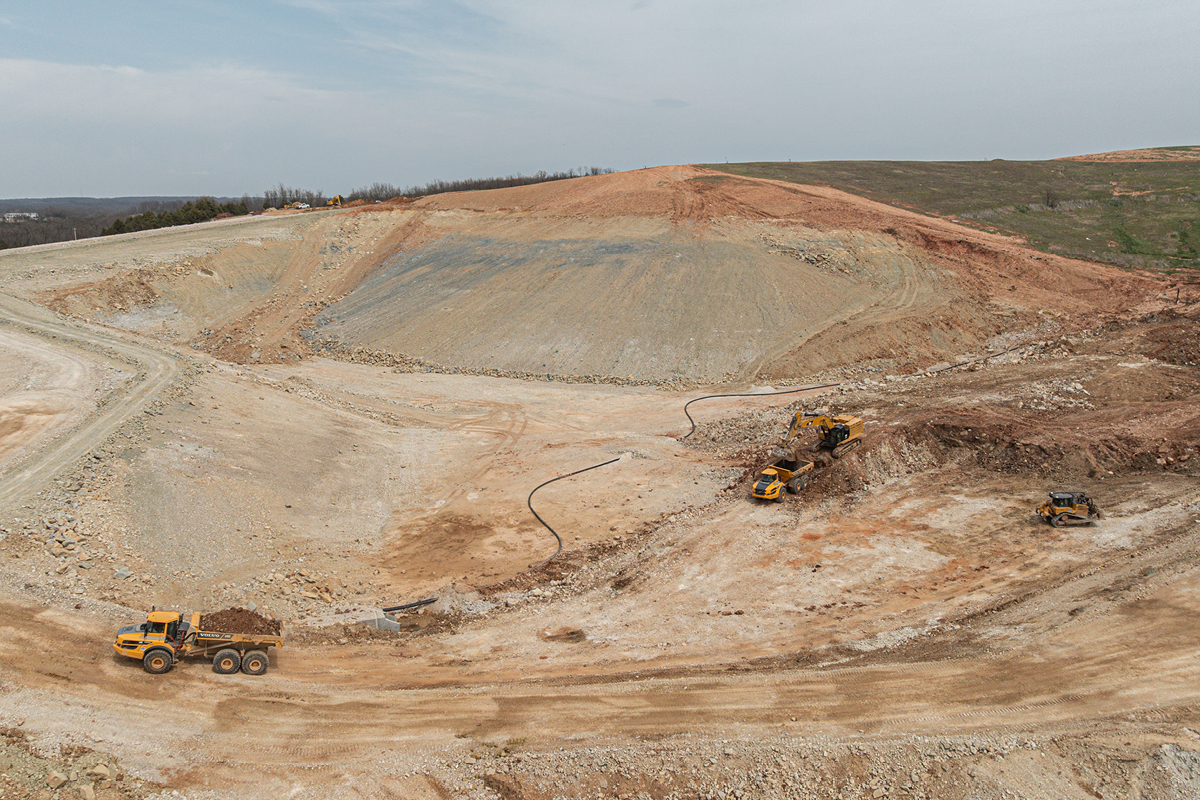
What looked like a routine mass excavation project quickly became a lesson in adaptability, as Project Manager Dustin Cain and his crew navigated the landfill gas systems on the Noble Hill Sanitary Landfill project. The team is proving that success on large-scale jobs isn’t about the conditions you expect — it’s about how you respond to the ones you don’t.
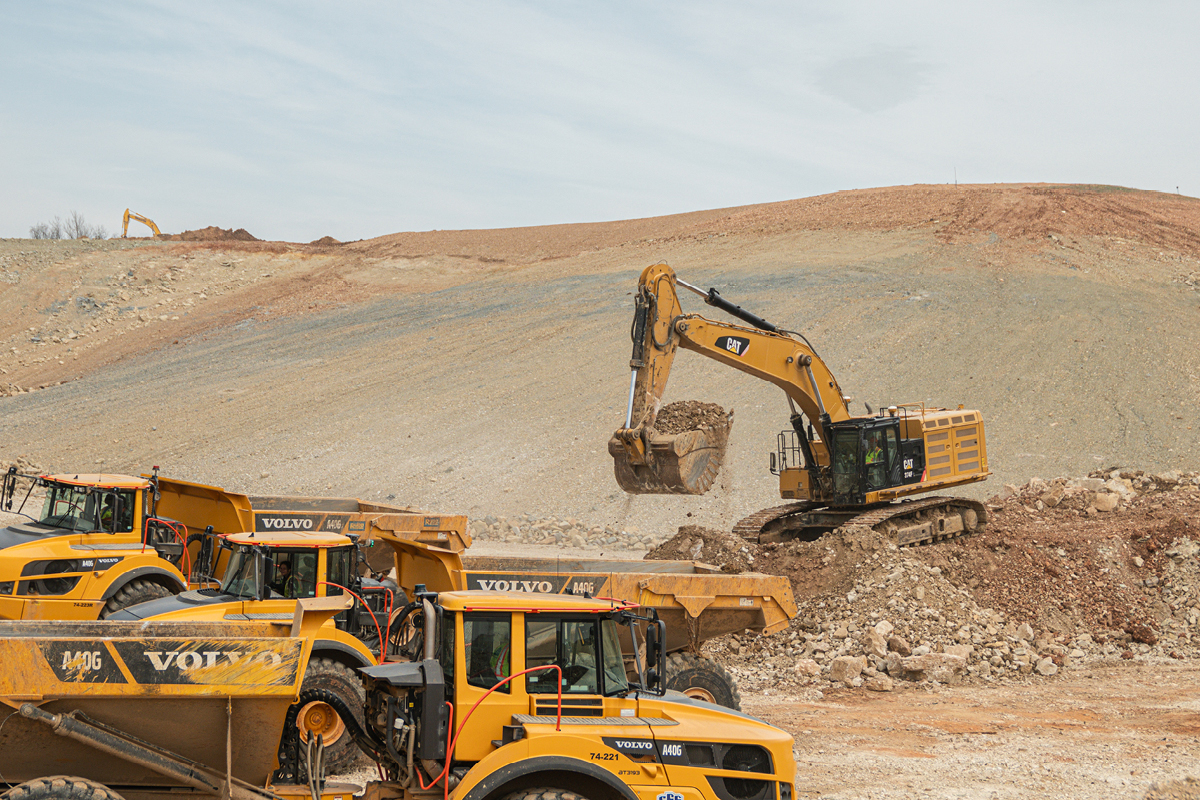
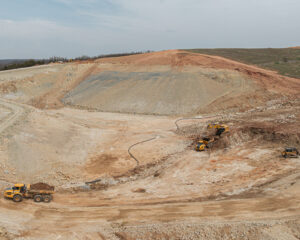
Tackling MAJOR Rock Excavation
When it comes to rock excavation, our employee-owners in Southwest Missouri know what they’re doing.
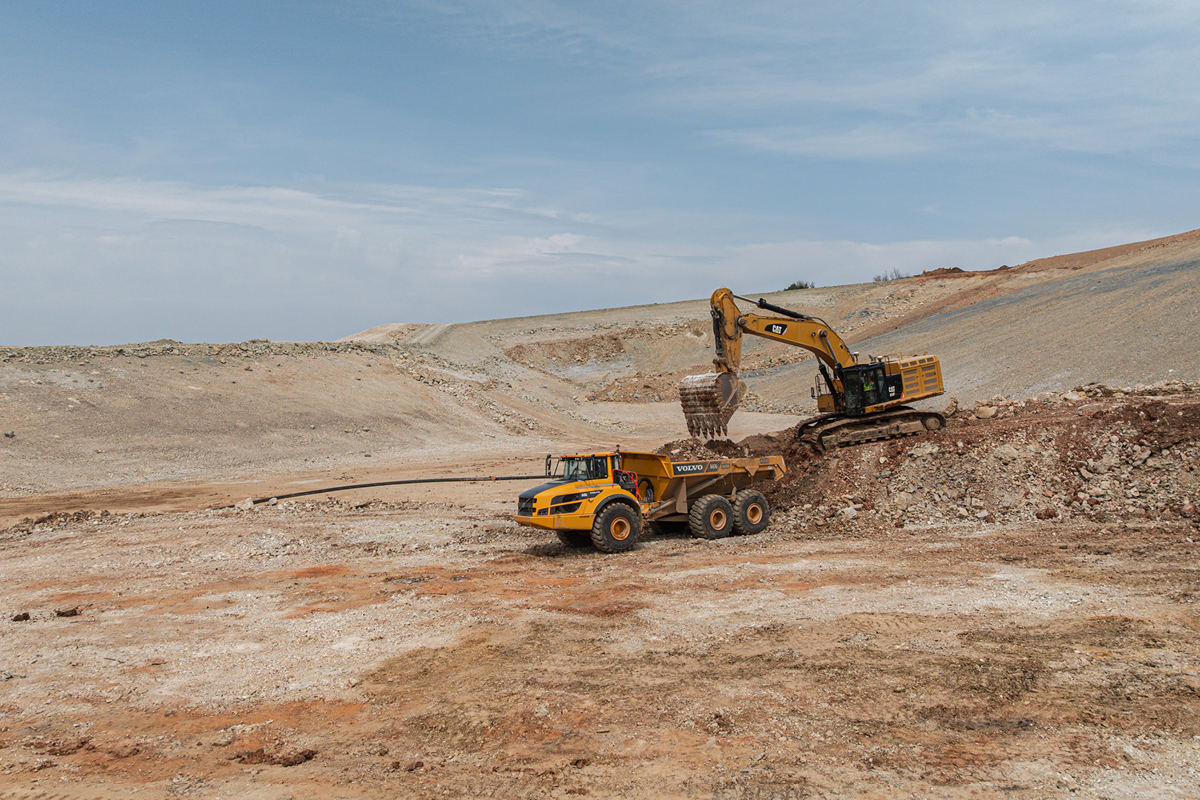
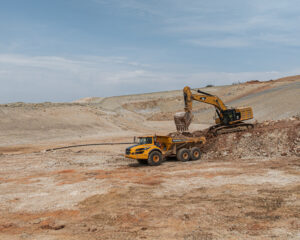
“We knew going into the job it was going to be all rock, so we planned for it. Once the dirt was off, it’s drilling, blasting, and hauling — it’s still excavation at its core,” said Dustin Cain, project manager.
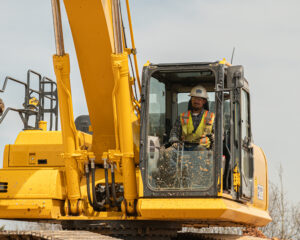
Part of that planning comes down to equipment and maintenance. Rock is hard on every piece of machinery, from wear and tear on tires to cutting edges to excavator teeth, so maintenance becomes critical and is a daily focus for the Noble Hill crew.
There is also an added layer of caution when hauling rock. Unlike dirt, rock can cause more significant damage if it comes loose while transporting.
“We manage all of it through daily Task Hazard Awareness toolbox talks and planning — making sure everyone knows the risks and the plan for the day,” Dustin said.
Navigating Landfill Gas
The biggest challenge this crew has faced on the project so far has been navigating the landfill gas system — something Dustin and the ESS team had not previously worked on at this scale.
Landfill gas is produced as waste breaks down in conditions without oxygen. To manage the gas, the crew uses a vacuum system that pulls methane straight from the waste and directs it into a pipe collection network.
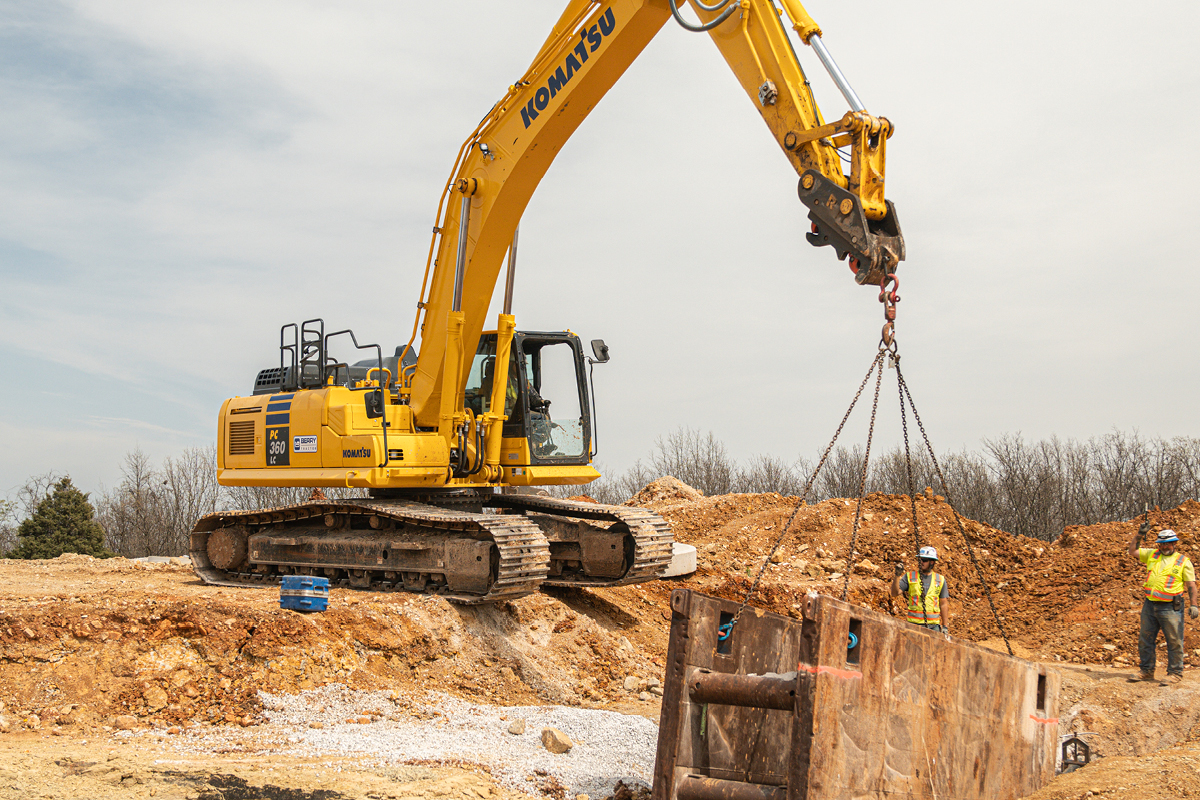
That process brings unique installation requirements. The pipe is installed on a slope to ensure proper drainage and the system has to stay sealed so no oxygen creeps in.
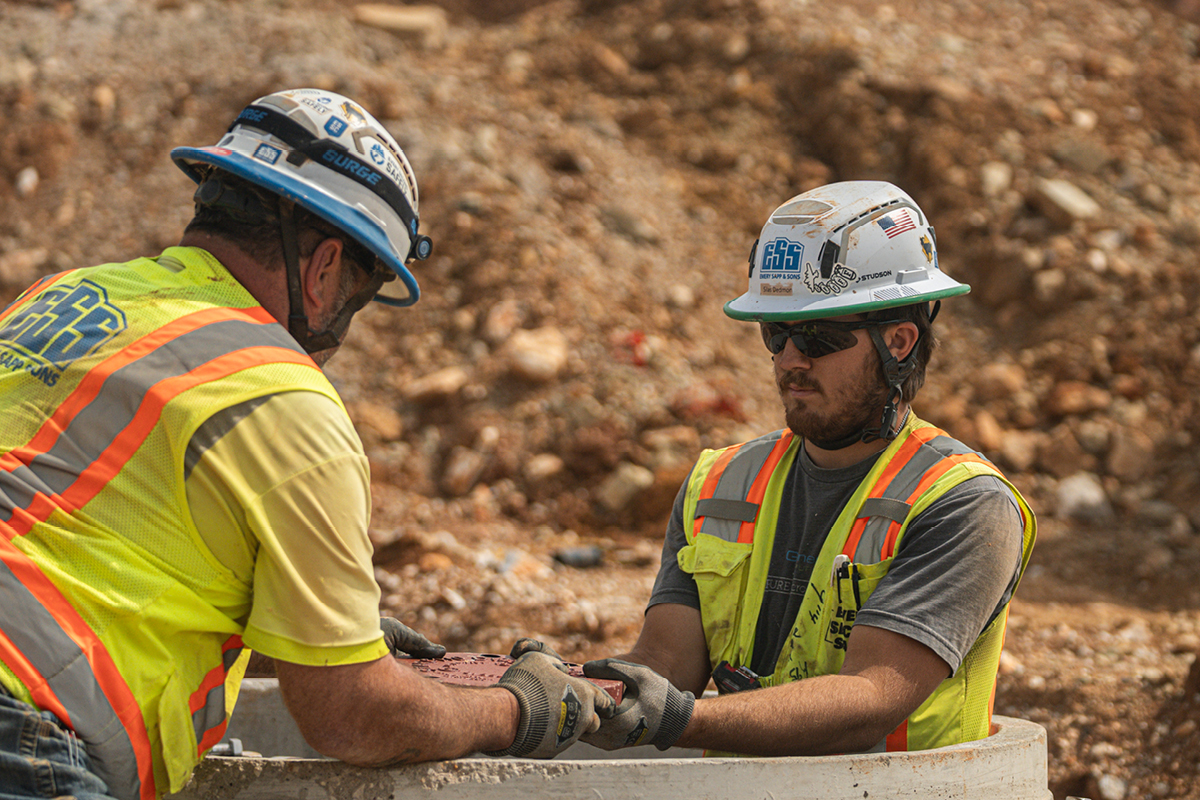
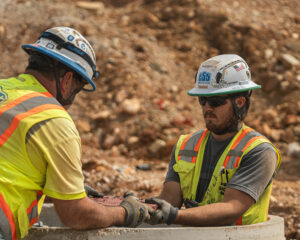
Methane doesn’t give you a warning. You can’t see it, you can’t smell it, so crews stay on the monitors, keeping a constant read to make sure working conditions stay safe.
“You don’t know what you don’t know, so the biggest thing is asking questions and learning as you go,” Dustin said.
Teamwork and Communication
Noble Hill has been a reminder that no two jobs are the same. Between rock excavation, evolving site conditions, and managing a sizable landfill gas system, success has come down to staying engaged, asking questions, and adjusting in real time.
With tight coordination between ESS crews, the City of Springfield, engineers, and subcontractors, the work keeps moving safely and deliberately. It’s not just about getting through challenges. It’s about building the skills to handle the next one better than the last.